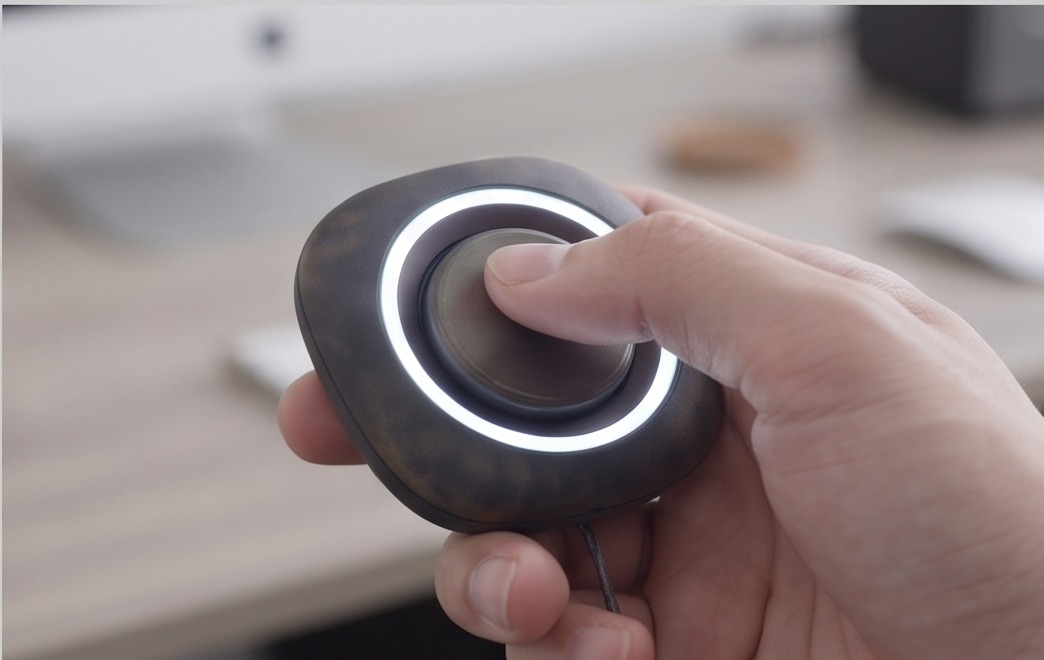
One mechanical button
Large, physical, unmistakable. The whole interface.
 Join the waitlist
MeYou Care
One button. Someone familiar. For people living with dementia, and for the families carrying it with them.
Planned
How it works
Four things, and the person wearing it only ever does the first one.
One press on one button. No app, no menu, no screen to read.
Voice over its own cellular connection, with location and movement alongside it.
It replies with what it already knows about this person, and keeps today's words with their date.
Reminders done, alerts raised, the profile kept up to date — on a page the patient never has to open.
The pendant
A wearable built for one hand and one habit: press to talk, put it down to charge.
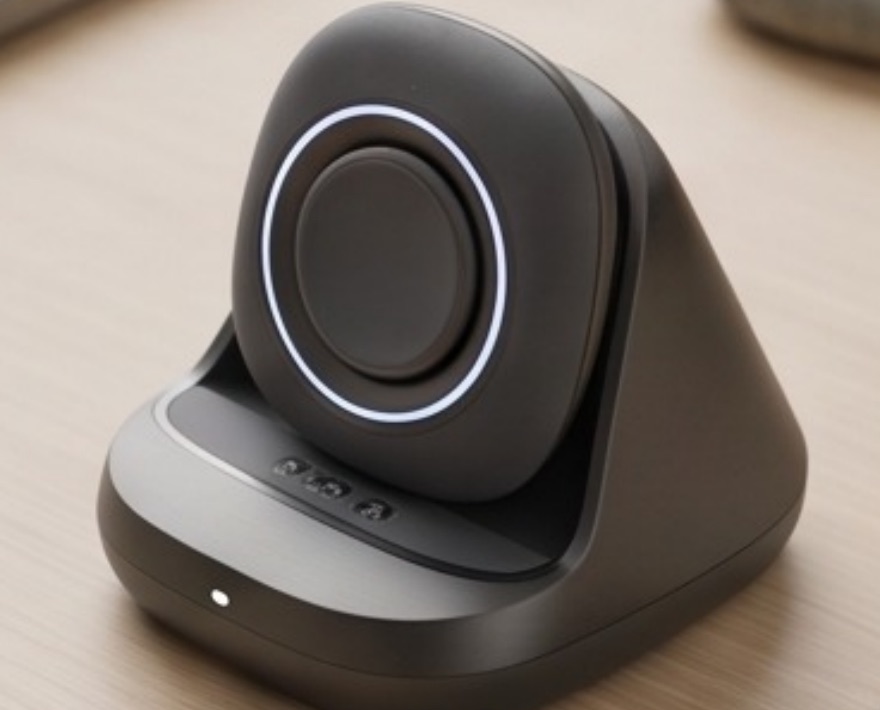

Large, physical, unmistakable. The whole interface.
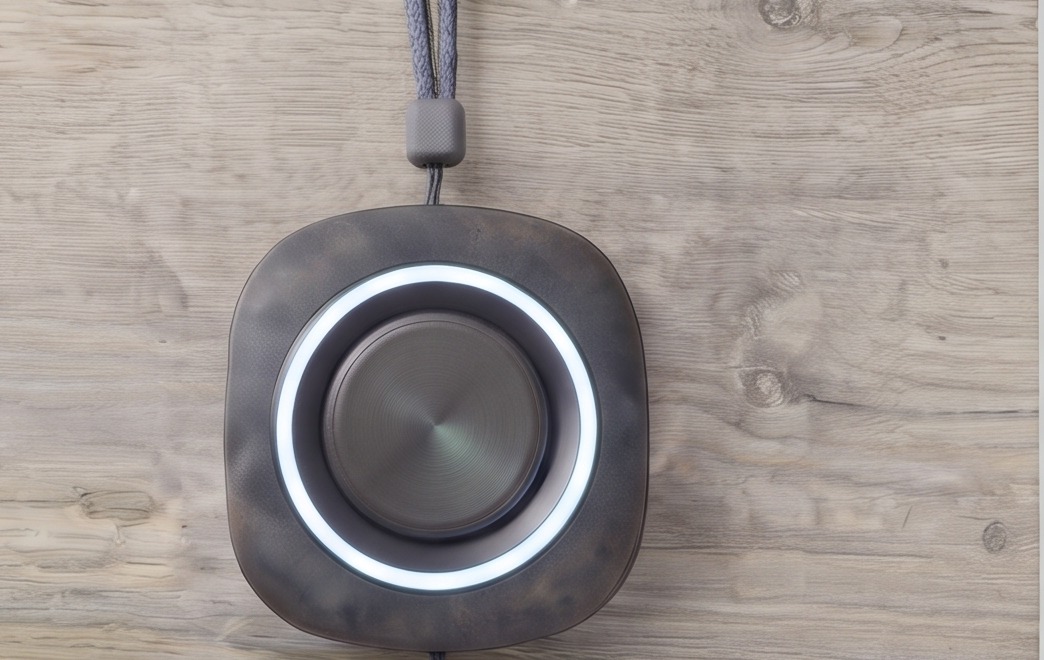
Breathing light around the button: listening, answering, charging.
Noise-cancelling, so a room with a television in it still works.
eSIM over LTE-M, straight to MeYou. No phone in the house has to be on.
GPS, for finding the way back home and for sharing where they are with the family.
A six-axis sensor, for movement over the day and for fall-related alerts.
Matte, hypoallergenic silicone, sealed to IP68, on a lanyard with a breakaway clip.
Sized for LTE-M, charged by being put down on the dock. That is the whole routine.
Concept hardware. Specifications are the design as proposed, not a datasheet of a shipping product, and fall detection is not validated.
Why a pendant
The same question, answered two ways. The difference is who carries the complexity.
The family page
Six things, once, from a browser. After that the page is for watching, not for working.
A day with it
"Tell me about my daughter."
It answers with what it already knows, instead of asking the person to explain who they mean.
"How do I get home?"
Where they are can go to the family, if they set that up and the connection allows it.
"Did I take my pills?"
It reminds at the agreed time, and records whether the reminder was answered.
Movement that looks like a fall raises an alert to the people on the list. Treated as a probability, not a fact, until it is validated.
A new carer reads the profile and the history instead of asking the person to tell it all again.
Months of ordinary talk, shown as trends with the words behind them, rather than a number to be trusted on its own.
Proposed, to be validated
Because every conversation is kept as words with its date, some things can be counted instead of remembered.
How many people, places and plans keep coming up, and whether that number is rising or falling.
Today's account against last month's, and how often the two do not agree.
Accounts that do not hold together, flagged with how sure the system is — for a person to look at, not to conclude from.
What was agreed against what the day actually looked like: pills, walks, calls answered.
A change in a number is not a diagnosis. These are proposed signals, to be validated against accepted assessments before they mean anything clinically. They are observations and prompts for a human to look, and nothing on this page is medical advice.
Trust
This is for people who cannot always speak for themselves, about health and about where they are. That changes what has to be settled first.
Each person's conversations, profile and events live inside their own database, with deleting and exporting as plain operations rather than requests.
The person, the family, a clinician and the system are separate levels of access, and reaching sensitive records is recorded.
Said in language a family can act on, and matched to what the person is legally able to agree to where they live.
An alert to the people on the list is not the same as an emergency service answering. The page and the product say which is which.
An answer or a trend is not a medical fact. Nothing generated is presented as one.
Configuration, events and decisions leave a trail that can be read back later.
MeYou Care can carry conversation, memory, reminders and alerts. Diagnosis and treatment stay with qualified people, unless and until the evidence and the approvals for anything more exist.
Where it is
MeYou Care is a concept in development. Everything above is the plan, and it is marked as such wherever it appears on this site.
Waitlist
MeYou is live with early users. Leave your address and we will write to you once, when there is a number for you.
One address, one message. It is not sold, and it is not the start of a mailing list.